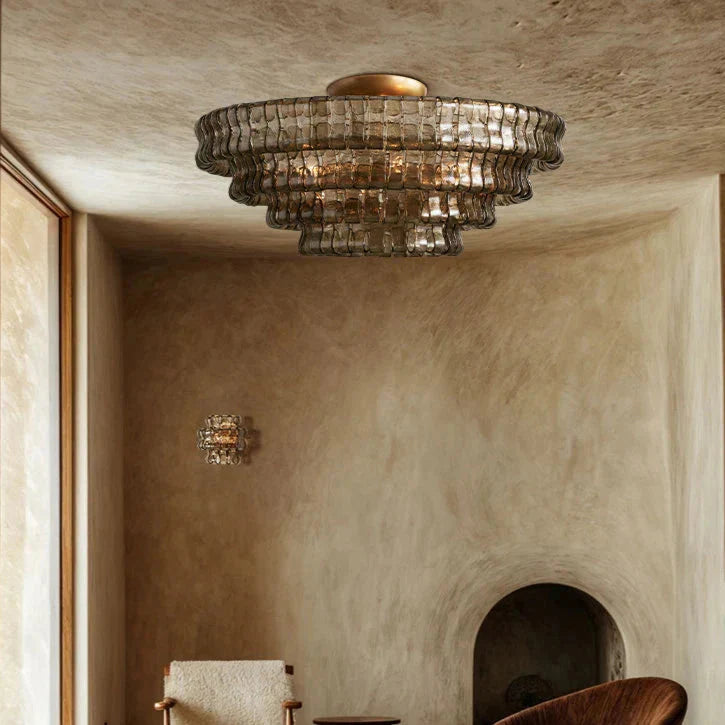
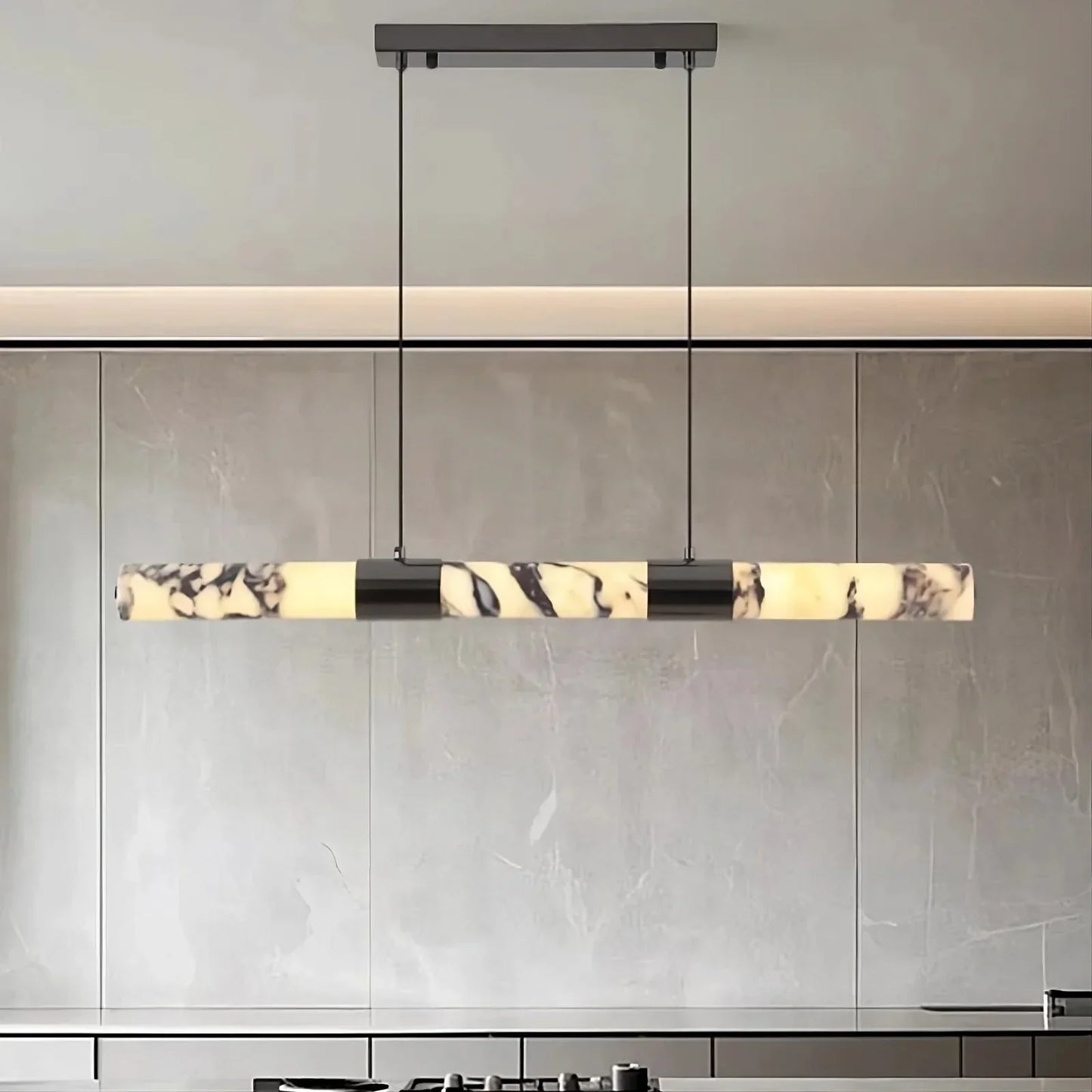
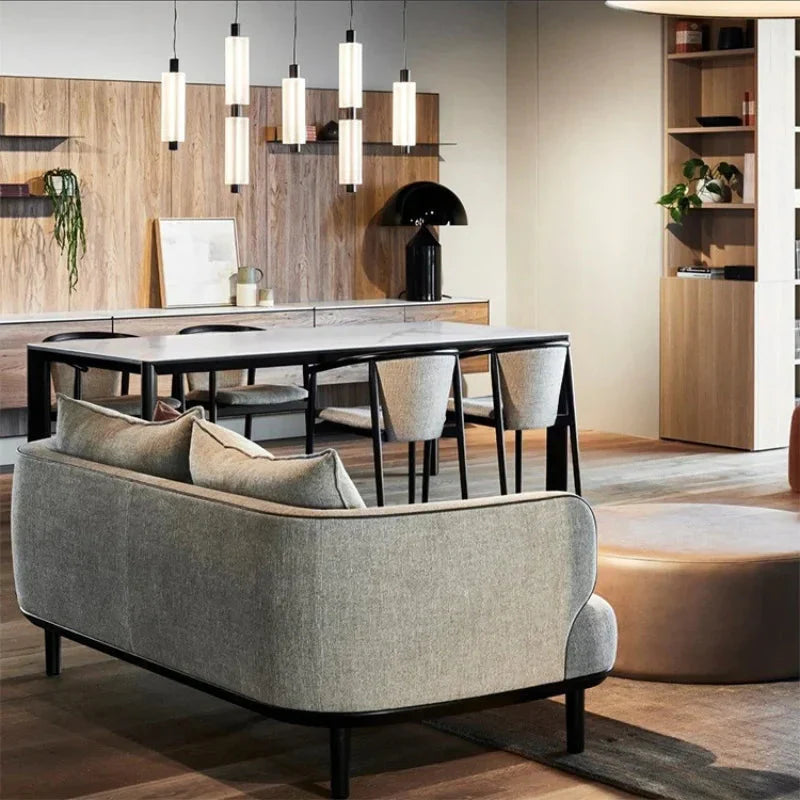
Floor lamps are more than just functional lighting—they add character, ambiance, and style to your living room or lounge. In this guide, you’ll learn how to select the perfect living room floor lamps, determine where to put a floor lamp in living room spaces, and incorporate floor lamps for lounge areas into your lighting scheme. These expert tips, placement ideas, and trend insights will help you light your space with both purpose and style.
Why Floor Lamps Matter in Your Living Room
Benefits of Floor Lamps
Floor lamps offer versatility unmatched by most lighting types. They don’t require hardwiring, making them ideal for renters and homeowners alike. You can use them to create ambiance, provide task lighting, or highlight design features like art or plants. When layered with overhead lighting and table lamps, they create a complete lighting ecosystem.
Lighting Types Explained
There are three core lighting functions to understand when using floor lamps:
-
Ambient lighting: General lighting for a room, best achieved with torchieres or globe floor lamps that reflect light upwards.
-
Task lighting: Ideal for reading or focused work. Look for adjustable or swing-arm floor lamps with directional heads.
-
Accent lighting: These add drama or highlight a feature, like a sculpture or plant, often achieved using spotlight-style floor lamps.
Understanding how each type works will help you choose the right lamp and placement.
Where to Put a Floor Lamp in the Living Room
Strategic placement determines how effective your floor lamp will be. Whether you’re adding a reading nook or brightening a corner, the location of your lamp impacts both lighting quality and room flow.
Common Placement Ideas
-
Behind the sofa: Offers excellent task lighting for reading or relaxing.
-
In a dark corner: Helps reflect light off walls, reducing shadows and creating a cozy mood.
-
Beside a chair or desk: Ideal for task lighting in work-from-home setups or reading nooks.
-
Behind or next to the TV: Reduces glare and eye strain, adding subtle background lighting.
-
Floating in lounge zones: An arched floor lamp placed in open spaces creates a distinct, lounge-style vibe.
Height and Distance Guidelines
A typical floor lamp should be between 58 to 64 inches tall. The bottom of the shade should be 10–12 inches above your seated eye level. Keep the lamp about 2–3 feet away from the sofa or chair for optimal lighting without causing glare.
Pro Tips and Feng Shui Placement
-
Limit your use to one or two floor lamps in a single space to avoid clutter.
-
Coordinate styles; they don’t need to match exactly, but they should share a design language.
-
In Feng Shui, placing a floor lamp in the wealth or fame area (back left or back center of your room from the entry) can enhance energy flow.
-
Avoid lamps that shine directly at entrances, as it may deflect energy.
Choosing the Right Floor Lamp Style
Match Decor and Theme
Whether your style is modern, traditional, or eclectic, there's a floor lamp for you. Here are a few trending options:
-
Mid-century modern: Think arched lamps with sleek lines and neutral tones.
-
Whimsical designs: Sculptural and expressive, these work well in creative or maximalist interiors.
-
Minimalist and Japandi: Featuring globe shades, natural wood, and simple silhouettes for understated elegance.
Materials and Finishes
Top choices in 2025 include polished brass, copper, matte black, and soft-gold finishes. For a more natural or Scandinavian feel, choose lamps made from birch, ash wood, or woven materials like rattan.
Smart Features and Bulbs
-
Choose warm white bulbs (2700–3000K) for a cozy ambiance.
-
Smart floor lamps allow remote dimming, scheduling, mood presets, and even color-changing effects for lounge or entertainment zones.
-
For reading, ensure the bulb has at least 500 lumens.
Styling and Layering with Floor Lamps
Create a Balanced Lighting Scheme
Don’t rely solely on a floor lamp to light an entire room. Combine it with:
-
Overhead ceiling fixtures
-
Wall sconces
-
Table lamps
This layered lighting effect creates atmosphere, highlights architectural features, and provides flexibility for different tasks or moods.
Mix and Match Strategically
You don’t have to buy matching lamps. Mixing styles—like combining a brass arched floor lamp with a wooden tripod one—can enhance visual interest. Just ensure there’s a cohesive theme in materials, colors, or silhouettes.
Build a Cozy Nook
Use a floor lamp to define a lounge or reading corner. Pair it with:
-
A comfortable chair
-
A small side table
-
A cozy throw
-
A rug to anchor the space
These additions, combined with a directional task lamp, create a perfect personal retreat.
Mistakes to Avoid with Floor Lamps
-
Over-lighting: More isn’t always better. Two floor lamps are usually enough in most living rooms.
-
Incorrect scale: A small lamp in a high-ceiling room will look lost, while an oversized one in a compact space can feel overwhelming.
-
Ignoring smart compatibility: Many modern bulbs and lamps offer app control and scheduling. Use them!
-
Cluttered cables: Plan for cord management. Use cable clips, rugs, or furniture placement to keep wires tidy.
What’s Trending in Floor Lamps for 2025
Statement Pieces
Oversized and sculptural floor lamps are dominating design magazines. These include flower-shaped shades, bold arches, or abstract designs that double as art.
Warm Neutrals and Natural Materials
Color palettes are shifting toward cocoa, camel, and creamy whites. Lamps with linen, paper, or woven textures offer a cozy, welcoming effect.
Smart Minimalism
Corner LED floor lamps with app-controlled color settings are on the rise. These space-saving lights can transform dark corners into vibrant accent spots.
Sustainable Designs
Eco-conscious buyers are favoring materials like bamboo, cork, and recycled metals. Look for brands offering modular parts, repair kits, and energy-efficient LED options.
Floor Lamp Buying Checklist
Before hitting "add to cart," ensure your selection checks all these boxes:
-
Correct height (58–64 inches)
-
Adequate brightness (500 lumens+ for task lighting)
-
Warm light temperature (2700–3000K)
-
Style and finish that matches your space
-
Smart compatibility or dimmable options
-
Safe cord placement or cordless if needed
-
Appropriate footprint for your room size
-
Durable materials that match your lifestyle
Budget tip: Spend more on your main floor lamp—it’s a focal point. Then, add affordable supporting fixtures like LED strip lights or table lamps for extra flair.
Frequently Asked Questions
Where should a floor lamp go in a living room?
Place floor lamps behind sofas, in corners, beside reading chairs, or even behind the TV to reduce glare and add ambiance.
What is the ideal height and distance for a floor lamp?
58–64 inches in height, with the shade bottom sitting 10–12 inches above seated eye level, and positioned about 2–3 feet from your seating area.
What are the best floor lamps for reading or lounging?
Adjustable gooseneck or swing-arm floor lamps with warm white bulbs and at least 500 lumens provide the best reading experience.
Can you mix floor lamp styles in the same room?
Absolutely. Just maintain a cohesive feel by matching finishes, materials, or general silhouettes.
Are smart floor lamps worth it?
Yes. They offer customizable lighting, remote control, energy efficiency, and flexibility that traditional lamps don’t provide.
Conclusion
Floor lamps are a vital element of any well-lit, well-styled living room or lounge. Whether you’re brightening a dark corner, defining a cozy reading nook, or making a bold design statement, the right floor lamp can transform your space.
Remember to layer lighting, think function before fashion, and place lamps where they’ll serve both aesthetic and practical purposes. With this guide, you now know how to choose, position, and style your floor lamps for a stunning, comfortable living room setup.