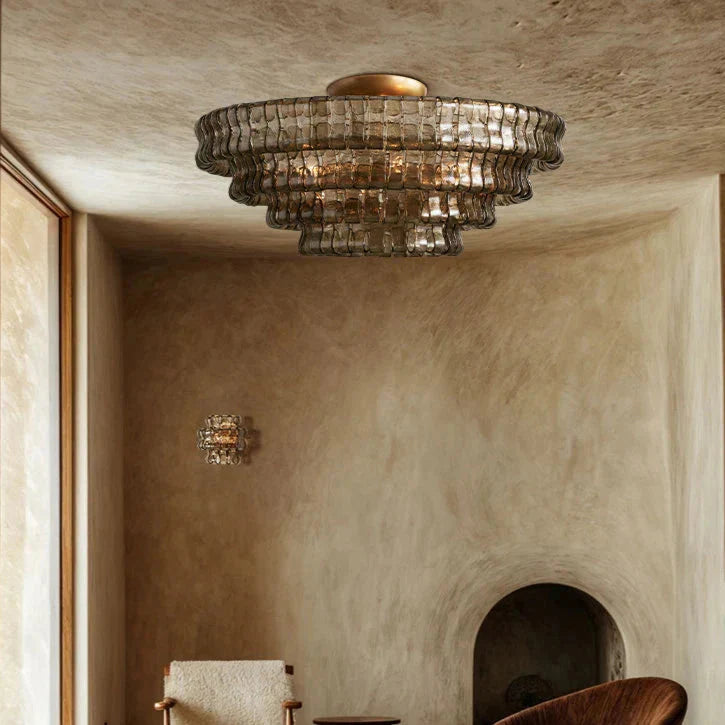
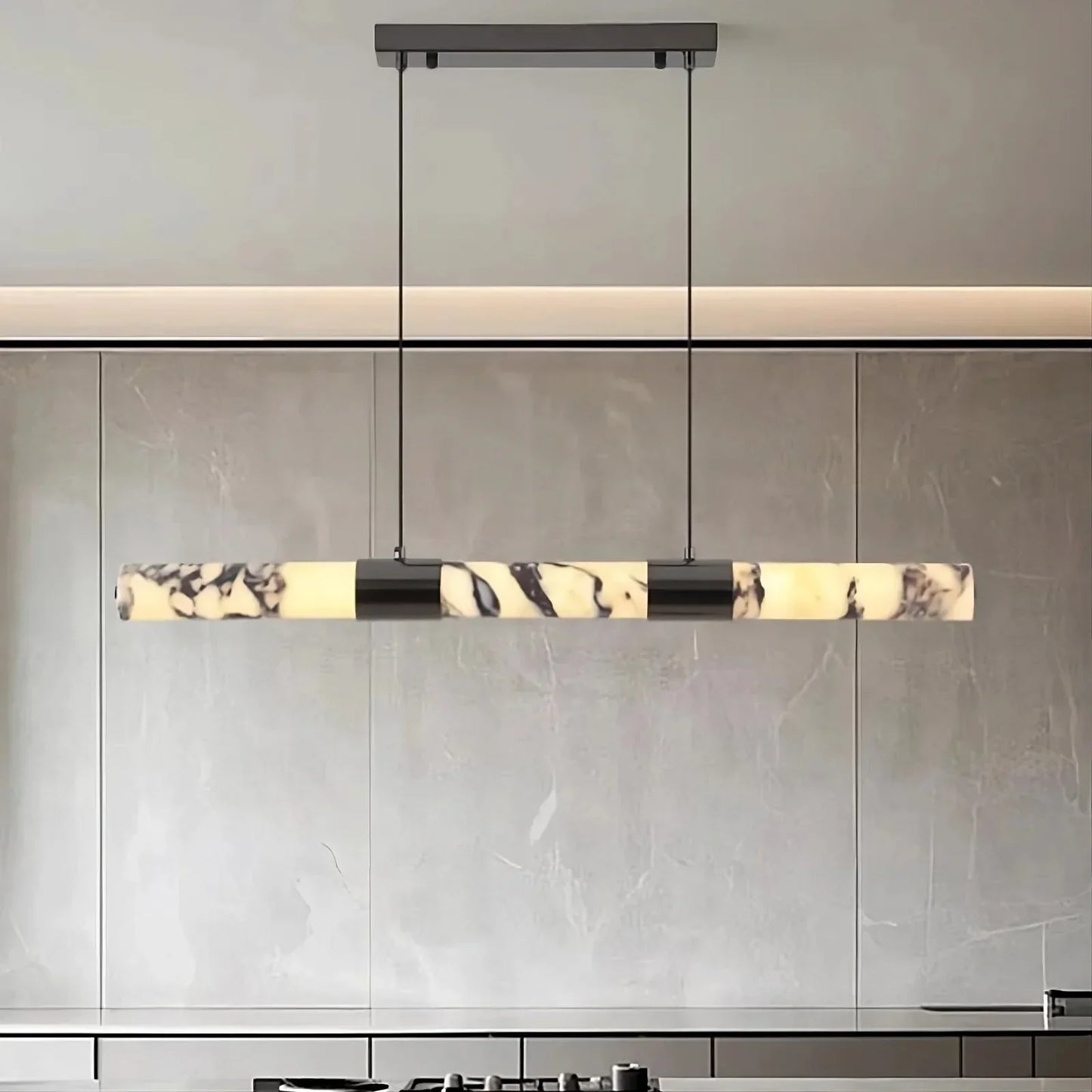
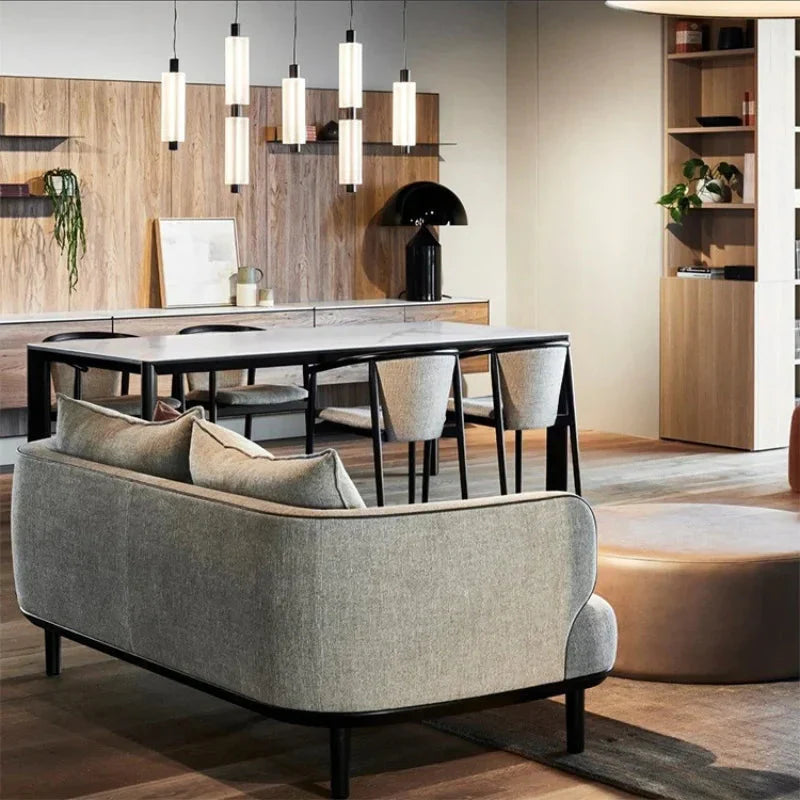
What makes lighting "perfect"? Comfort, function, mood, and style working together
Comfort manifests through glare-free distribution and appropriate brightness levels that adapt to circadian rhythms. Functionality ensures task-specific illumination supports daily activities without strain or shadow interference. Mood emerges through carefully curated warmth and dimming capabilities that shift with your emotional landscape. Style crystallizes when fixture selection reflects your design philosophy while complementing architectural elements.
The alchemy occurs when a crystal chandelier for dining room provides both sparkling elegance and optimal food presentation lighting, or when marble & brass pendant light fixtures deliver task illumination while serving as sculptural focal points above kitchen islands.
How to use this guide to plan room-by-room with confidence
Each section builds upon fundamental principles while addressing unique spatial challenges. Whether selecting staircase chandeliers for dramatic vertical spaces or determining optimal kitchen island lighting configurations, this guide eliminates guesswork through proven methodologies.
Remember: great lighting design prioritizes human experience over fixture showcasing. Every luminaire should enhance how you live, work, and feel within your space.
The journey begins with mastering foundational concepts, then progresses through specific room applications, culminating in material selection and technical implementation guidance that ensures long-term satisfaction with your investment in luxury lighting.
Master the Fundamentals That Drive Great Results
The three layers: ambient, task, accent—and why most rooms need all three
Ambient lighting establishes the foundational brightness level through sources like modern chandeliers or recessed fixtures. This general illumination should distribute evenly without creating harsh shadows or uncomfortable glare zones. Task lighting targets specific work areas—reading nooks, kitchen counters, or vanity mirrors—with focused brightness that prevents eye strain. Accent lighting adds dimensional drama through highlighting artwork, architectural features, or textural elements.
Most successful interiors incorporate all three layers, though their proportions vary by room function. Dining room chandeliers might serve as both ambient and accent sources, while dedicated task lighting remains minimal in spaces prioritizing relaxation over productivity.
Brightness, color, and quality: lumens, Kelvin (2700K–4000K), CRI 90+, dimming, and low flicker
Color temperature, measured in Kelvin, dramatically influences ambiance. Warm tones (2700K-3000K) create intimate, cozy atmospheres perfect for living room lighting and dining spaces. Neutral whites (3500K-4000K) enhance concentration in kitchens and bathrooms. Color Rendering Index (CRI) above 90 ensures accurate color perception—crucial for food presentation under dining fixtures or makeup application near vanity sconces.
Premium fixtures incorporate flicker-free LED drivers and smooth dimming capabilities. Poor-quality drivers create imperceptible flicker that causes eye fatigue and headaches during extended exposure.
Size, scale, and mounting formulas for modern chandeliers, pendant lights, and wall sconces
Wall sconces mount 60-66 inches to center point in hallways and living areas, while bathroom vanity applications require 65-70 inches with 28-30 inch spacing for even facial illumination. These measurements accommodate average human proportions while providing flattering light distribution.
Living Room Lighting That Adapts All Day
Centerpiece options: modern chandeliers vs. low-profile fixtures—when each shines
Low-profile fixtures excel in spaces with standard 8-foot ceilings or contemporary minimalist aesthetics. Flush-mount and semi-flush designs distribute light efficiently without overwhelming modest proportions. Consider room function frequency—formal living spaces benefit from chandelier grandeur, while family rooms prioritize comfortable, unobtrusive illumination.
Ceiling height dictates clearance requirements: chandeliers need minimum 7-foot clearance above finished floors, with 7.5-8 feet preferred for comfortable circulation. Luxury lighting pieces often feature substantial vertical dimensions that demand careful spatial planning.

Living Room Lighting: Chandeliers, Pendants & Sconces
Shop NowLayer with floor/table lamps and wall sconces to create flexible zones
Wall sconces flanking fireplaces or artwork create balanced ambient lighting while freeing floor space for furniture arrangement. These fixtures should mount at eye level when seated—typically 54-60 inches to center point. Sconce placement requires electrical planning during construction or renovation phases.
Portable lighting offers ultimate flexibility for seasonal rearrangements or activity-specific needs. Quality floor and table lamps with dimming capabilities adapt to changing requirements without permanent electrical modifications.
Dimming, scenes, and glare control for reading, conversation, and TV nights
Layered dimming controls enable customized lighting scenes: morning brightness for newspaper reading, afternoon warmth for socializing, and evening ambiance for entertainment. Smart controls can memorize preferred settings for different occasions, eliminating manual adjustments.
Common living room lighting mistakes to avoid
Glare from exposed bulbs or poorly shielded fixtures causes discomfort and reduces visual appeal. Single switching systems prevent lighting adaptation for different activities. These pitfalls undermine even premium fixture investments, emphasizing the importance of comprehensive lighting planning over piecemeal fixture selection.
Dining Room Chandeliers That Elevate Every Meal
Choosing and sizing a crystal chandelier for dining room vs. a modern silhouette
Modern silhouettes offer clean geometry and contemporary materials like brushed metals, natural stone, or minimalist glass forms. Marble chandeliers bridge traditional luxury with contemporary sensibilities, providing substantial visual weight while maintaining refined sophistication. The choice hinges on your home's architectural vernacular and desired formality level.
Scale considerations remain paramount regardless of style preference. Oversized fixtures overwhelm intimate dining spaces, while undersized pieces disappear in grand rooms with soaring ceilings. Professional designers calculate chandelier diameter by adding room dimensions in feet, converting the sum to inches for optimal proportional relationships.
Match the fixture to table shape, room scale, and sightlines
Mounting height critically affects both illumination quality and conversation comfort. Standard placement positions chandelier bottoms 30-36 inches above table surfaces—closer spacing in rooms with 8-foot ceilings, higher placement in spaces with generous vertical dimensions. This range provides adequate head clearance while ensuring proper light distribution across place settings.
Consider adjacent spaces when selecting chandelier scale. Open-concept layouts require fixtures that complement kitchen and living area lighting without competing for visual dominance. Enclosed dining rooms permit more dramatic statements that might overwhelm connected spaces.

Dining Room Chandeliers & Pendants
Shop NowWarmth (2700–3000K), dimming, and sparkle without glare
Crystal elements require careful lamp selection to maximize sparkle without creating uncomfortable glare. LED sources with high color rendering indices (CRI 90+) reveal the full spectrum of crystal refractions while maintaining energy efficiency. Smooth dimming capabilities prove essential for transitioning from bright task lighting during meal preparation to intimate ambiance during extended dinner conversations.
Glare control becomes particularly important in dining applications where guests face the chandelier for extended periods. Quality fixtures incorporate diffusion elements or indirect lighting techniques that distribute illumination evenly while minimizing harsh brightness zones.
Kitchen Island Lighting That Blends Task and Style
Pendant lights spacing, height, and diameter rules for kitchen island lighting
Pendant diameter should measure one-third to one-half the island width for balanced proportions. A 36-inch wide island accommodates 12-18 inch diameter fixtures, while expansive 60-inch islands can support substantial 20-30 inch pendants. Height placement follows the 30-36 inch rule above counter surfaces—closer mounting in compact kitchens, higher placement in rooms with soaring ceilings exceeding 9 feet.
Multiple pendant installations require careful centerline calculations. Two-pendant arrangements work best on islands 4-6 feet long, while three-pendant configurations suit 6-8 foot spans. Longer islands may accommodate four or more fixtures, though visual weight increases dramatically with additional luminaires.
Layer task lighting: under-cabinet, recessed, and targeted wall sconces
Recessed downlights fill ambient lighting gaps while targeting specific work zones like sink areas and cooking surfaces. Strategic placement prevents shadows when users work at counters, requiring fixtures positioned 18-24 inches from cabinet faces. Wall sconces flanking windows or serving areas contribute decorative accent lighting while supplementing overall brightness levels.
Layered switching systems enable independent control of different lighting zones, allowing focused task illumination during cooking while maintaining subtle ambient lighting in adjacent areas. This flexibility proves essential in open-concept layouts where kitchen lighting affects connected living spaces.
Material statements: marble & brass pendant light, travertine pendants, and natural stone lighting pros/cons
Travertine pendants offer more subtle earth-toned alternatives with unique surface variations that complement both traditional and contemporary kitchen designs. Natural stone's porous characteristics may require sealing treatments in kitchen environments where grease and moisture exposure occurs regularly.
| Material | Pros | Cons |
|---|---|---|
| Marble | Luxurious appearance, cool light diffusion | Heavy weight, requires sealing, higher cost |
| Travertine | Warm earth tones, unique patterns | Porous surface, maintenance requirements |
| Brass | Timeless appeal, develops patina | Requires polishing, shows fingerprints |
Installation considerations include ceiling structure assessment for weight-bearing capacity and electrical box ratings that accommodate substantial stone fixtures. Professional consultation ensures safe mounting while preserving the aesthetic impact of these premium materials.
Bedrooms and Baths: Restful, Functional, Safe
Bedrooms: soft ambient layers, reading sconces, and tunable controls
Reading sconces mounted 18-24 inches above mattress height eliminate the need for bedside table lamps while freeing surface space for personal items. Wall-mounted fixtures prevent accidental displacement during sleep movements and provide directed task lighting without disturbing sleeping partners. Swing-arm designs offer adjustable positioning for optimal reading angles.
Tunable lighting controls enable gradual brightness transitions that support natural sleep patterns. Warm color temperatures below 2700K during evening hours encourage melatonin production, while slightly cooler morning light supports awakening. Smart controls can automate these transitions, creating personalized lighting schedules that enhance sleep quality.
Bathrooms: eye-level sconces, damp/wet ratings, and high-CRI light for grooming
Electrical safety requires fixtures rated for damp or wet locations depending on proximity to water sources. Damp-rated fixtures suit general bathroom areas, while wet-rated luminaires are mandatory within shower enclosures or above bathtubs. These ratings ensure long-term reliability in humid environments while preventing electrical hazards.
High color rendering index lighting (CRI 90+) proves essential for accurate color perception during makeup application and personal grooming. Poor color rendering distorts skin tones and makeup colors, leading to appearance inconsistencies when moving to different lighting environments. Quality LED sources maintain consistent color rendering throughout their operational lifespan.
Vanity lighting requires careful glare control to prevent discomfort during extended grooming sessions. Diffused sources or indirect lighting techniques provide comfortable illumination levels while maintaining the brightness necessary for detailed tasks. Dimming capabilities accommodate different activities from bright task lighting for shaving to subtle ambient lighting for evening routines.
Entrances, Halls, and Stairs That Make an Impression
Foyers and staircase chandeliers: scale, vertical drop, and clearance
Vertical drop calculations become complex in multi-story installations where chandeliers may hang through several floor levels. Professional designers typically position the fixture's lowest point at the second-floor landing level, creating visual continuity while ensuring practical clearances. Luxury lighting pieces with substantial vertical dimensions may require custom chain or rod lengths to achieve optimal positioning.
Scale relationships differ significantly from standard room applications due to the vertical emphasis of stairwell spaces. Foyer chandeliers can accommodate larger proportions than typical room calculations suggest, as the vertical volume creates visual capacity for substantial fixtures. However, horizontal clearances remain critical—maintaining adequate space for door swings and comfortable circulation patterns.

Staircase & Foyer Chandeliers
Shop NowHallway wall sconces and layered lighting for safety and drama
Layered lighting approaches combine sconce illumination with strategic accent lighting to highlight architectural features, artwork, or decorative elements. This technique transforms utilitarian hallways into gallery-like experiences that enhance your home's overall design narrative. Dimming controls enable brightness adjustment for different times of day while maintaining safety-critical visibility levels.
Emergency lighting considerations become particularly important in corridor applications where safe egress depends on adequate illumination. Battery backup systems or emergency lighting fixtures ensure continued operation during power outages, while photoluminescent pathway markers provide additional safety redundancy in critical circulation routes.
Long corridors benefit from visual rhythm created through consistent sconce spacing and style repetition. However, monotonous uniformity can create institutional atmospheres—strategic variations in mounting heights or fixture orientations add visual interest while maintaining functional consistency throughout the circulation pathway.
Luxury Lighting and Material Choices That Age Well
When to invest in luxury lighting: statement zones vs. support zones
Support zones encompass secondary bedrooms, hallways, and utility areas where functional performance takes precedence over decorative grandeur. This approach allows substantial investment in show-stopping pieces like crystal chandeliers for dining room applications while maintaining budget discipline across the entire lighting plan.
Consider longevity when making luxury investments. Premium fixtures with timeless designs and superior construction quality justify higher initial costs through decades of reliable performance and enduring aesthetic appeal. Trendy styles may require replacement as design preferences evolve, while classical proportions and quality materials maintain relevance across changing decorative schemes.
Marble chandeliers, crystal, brass, and natural stone lighting: weight, support, and maintenance
Crystal elements require regular maintenance to preserve their prismatic brilliance, though modern manufacturing techniques have simplified cleaning requirements compared to historical fixtures. Ultrasonic cleaning baths and specialized crystal cleaners maintain sparkle without damaging delicate components or metal framework.
Brass finishes develop natural patina over time, creating rich depth that many homeowners find desirable. However, those preferring consistent brightness can maintain original appearance through periodic polishing with appropriate metal cleaners. Lacquered brass finishes resist tarnishing but may eventually require professional refinishing to restore original luster.
- Marble requires periodic sealing to prevent staining in kitchen or bathroom applications
- Crystal components benefit from annual professional cleaning for optimal light refraction
- Brass elements need monthly dusting and quarterly polishing for maintained brilliance
- Natural stone variations make each fixture unique but may complicate replacement parts sourcing
Professional installation becomes essential for luxury fixtures due to weight considerations, specialized mounting requirements, and warranty preservation. Many premium manufacturers void warranties for improper installation, making professional electrical contractor involvement a prudent investment protection measure.
Installation, Controls, and Energy Essentials
Ceiling height, electrical box/weight ratings, and sloped-ceiling solutions
Ceiling height variations throughout homes create mounting challenges that affect both safety clearances and aesthetic proportions. Sloped ceiling installations require specialized mounting hardware and chain/rod length calculations to maintain level fixture orientation. Cathedral ceilings may necessitate lift equipment for installation and maintenance access, influencing long-term ownership costs.
Electrical capacity assessment ensures adequate circuit loading for multiple fixture installations. Large modern chandeliers with numerous LED modules may approach circuit capacity limits when combined with other room loads. Professional electrical evaluation prevents overloading while ensuring proper dimmer compatibility and control integration.
Dimmers and smart controls (ELV, 0–10V) and LED driver compatibility
Driver compatibility becomes critical when selecting both fixtures and control systems. Incompatible combinations create flickering, limited dimming ranges, or premature LED failure. Manufacturer specifications should clearly indicate compatible dimmer types and minimum load requirements for proper operation.
Smart lighting integration enables automated control scheduling, remote operation, and integration with home automation systems. These capabilities prove particularly valuable for staircase chandeliers and other hard-to-reach fixtures where manual control presents ongoing inconvenience.
Efficiency and sustainability: LED efficacy, replaceable vs. integrated modules
Replaceable LED modules versus integrated designs present long-term maintenance trade-offs. Replaceable modules enable component updates as technology advances while reducing disposal waste when individual elements fail. Integrated designs often achieve better thermal management and aesthetic integration but require complete fixture replacement when LED components reach end-of-life.
Sustainability considerations include material sourcing, manufacturing processes, and end-of-life recyclability. Premium manufacturers increasingly emphasize responsible material sourcing and recyclable component design, supporting environmental stewardship while maintaining luxury aesthetic standards.
Quick Reference: Mounting Heights and Spacing at a Glance
Dining room chandeliers: 30–36 in above table; width = 1/2–2/3 table width
Width calculations use table dimensions as the primary reference point. Chandelier diameter should measure one-half to two-thirds of table width for balanced proportional relationships. A 60-inch rectangular table accommodates chandeliers measuring 30-40 inches in width, while round 48-inch tables pair optimally with 24-32 inch diameter fixtures.
Kitchen island pendants: 30–36 in above counter; 24–30 in apart
Center-to-center spacing of 24-30 inches works for most pendant sizes and island configurations. Two-pendant arrangements suit 4-6 foot islands, while three-pendant installations accommodate 6-8 foot spans. Measure island length and divide by desired pendant quantity plus one to determine optimal spacing intervals.
Wall sconces: 60–66 in to center; bath vanity 65–70 in and 28–30 in apart
Bathroom vanity sconces require higher placement at 65-70 inches to center points, ensuring optimal facial illumination during grooming tasks. Spacing of 28-30 inches apart flanking mirrors provides even light distribution while accommodating standard vanity widths between 48-72 inches.
Staircase chandeliers: 7.5–8 ft clearance on treads; multi-story drop tips
Multi-story installations typically position the lowest fixture point at second-floor landing level, creating visual continuity through the vertical space. Calculate total drop distance including chain or rod length, fixture height, and desired clearances. Professional consultation ensures proper structural support for substantial fixtures spanning multiple floor levels.
FAQs
How do I choose between pendant lights and a modern chandelier in the living room?
Consider traffic patterns and furniture layouts when making this choice. Chandeliers provide centralized ambient lighting ideal for formal conversation areas, while pendant clusters offer flexibility for asymmetrical room arrangements or open-concept spaces requiring defined zones.
Are marble chandeliers or travertine pendants too heavy for standard ceilings?
Professional evaluation determines whether your ceiling structure can accommodate these substantial fixtures safely. Many installations require upgraded electrical boxes, additional blocking between joists, or specialized mounting hardware designed for heavy fixtures. The investment in proper structural support protects both safety and your lighting investment.
What color temperature flatters food under a crystal chandelier for dining room?
High color rendering index (CRI 90+) proves equally important for accurate color perception of food, wine, and table settings. Quality LED sources maintain consistent color rendering throughout dimming ranges, ensuring flattering illumination from bright task lighting during meal service to intimate ambiance during extended gatherings.
Can wall sconces replace bedside lamps without rewiring?
Wireless battery-powered sconces provide cordless convenience though require periodic charging or battery replacement. For permanent hardwired installations, surface-mounted conduit systems avoid opening walls while providing professional electrical connections. Each approach offers different aesthetic and functional trade-offs depending on your specific requirements and budget.
How do I mix natural stone lighting with metal finishes like brass without clashing?
Establish one material as dominant while using the other as accent elements. A marble & brass pendant light over a kitchen island might coordinate with brass cabinet hardware and stone backsplash elements, creating cohesive material dialogue throughout the space. Vary the proportions and applications rather than matching materials exactly—this creates sophisticated layering rather than overwhelming repetition.
What's the best first upgrade if I'm on a budget?
Alternatively, upgrading to quality dimmer controls throughout your home enhances existing fixtures dramatically while providing long-term energy savings. Smart dimmers enable scene programming and remote control capabilities that transform basic fixtures into sophisticated lighting systems. This approach maximizes existing fixture investments while providing foundation for future upgrades.