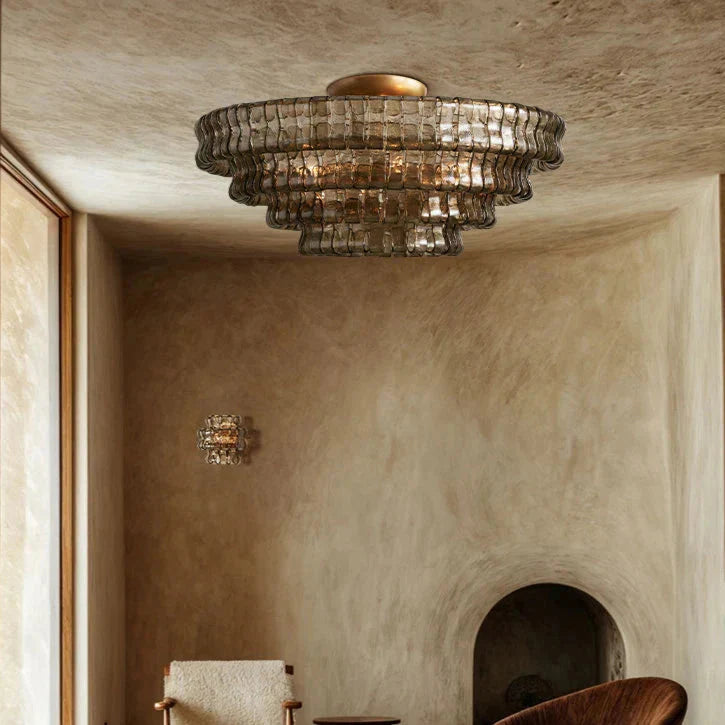
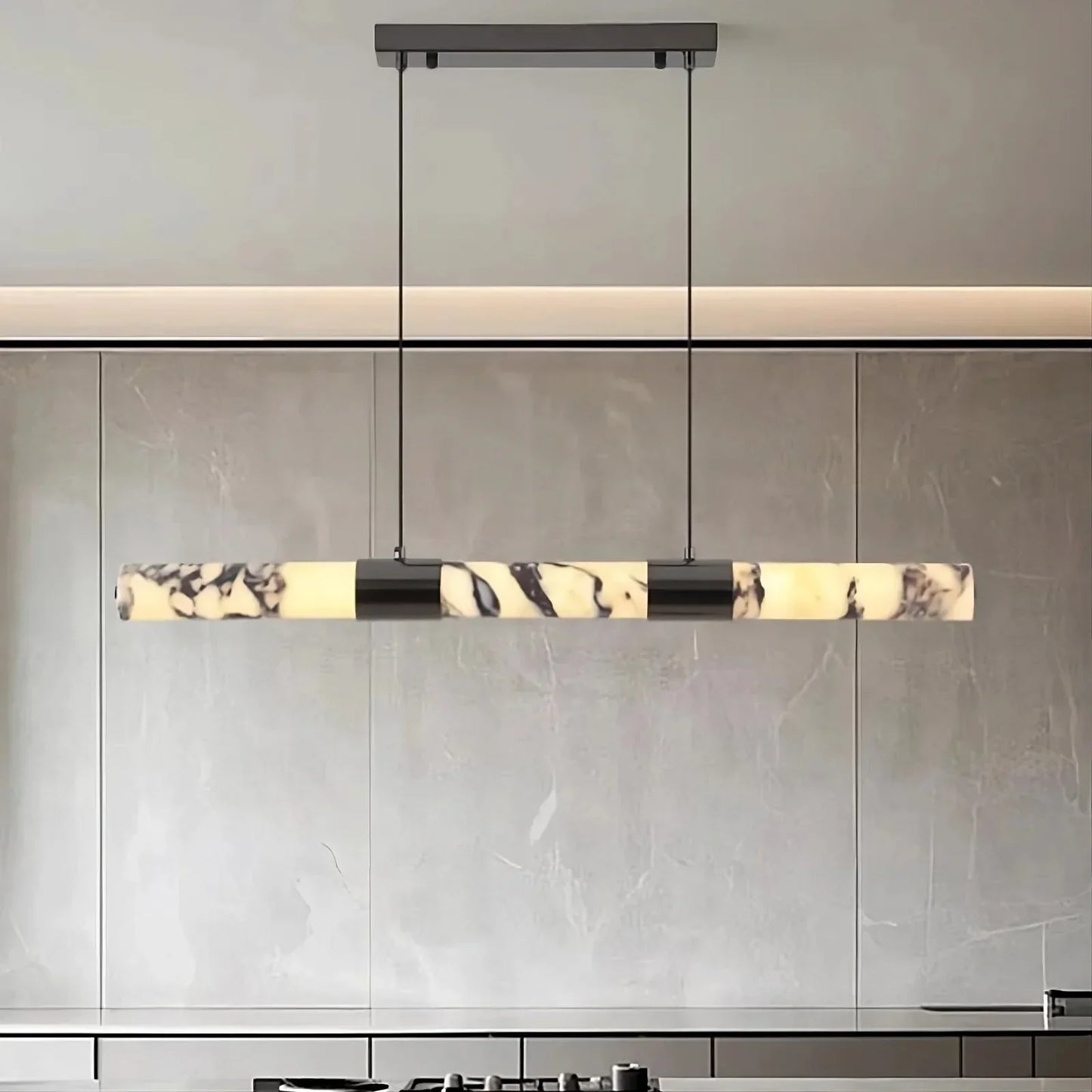
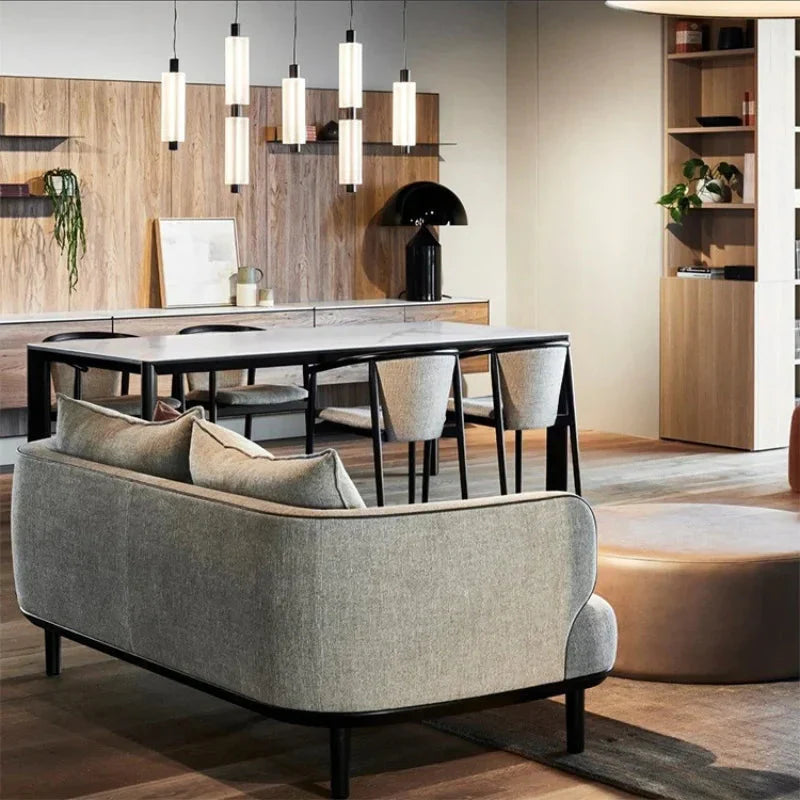
Wall sconces are one of the most transformative—and most misused—lighting elements in a home. Hang them too high and a room feels cold and uninviting. Hang them too low and they create glare, shadows, and awkward sightlines. Get the placement right, and sconces do what no other fixture can: layer soft, architectural light exactly where it flatters the space and the people in it.
This guide walks you through precisely where to hang wall sconces in every room of your home, with the exact heights, spacing, and proportions interior designers use. Whether you're planning a new build or upgrading an existing space, these are the measurements that make the difference between good lighting and extraordinary lighting.
Quick Reference: Wall Sconce Heights by Room
Before we get into the nuance of each space, here is the at-a-glance cheat sheet professional designers use. All measurements are from the floor to the center of the fixture, unless noted otherwise.
Why Wall Sconce Placement Matters
Unlike overhead fixtures that flood a room with light from a single source, wall sconces distribute illumination at eye level—the same level at which people actually experience a space. That height creates warmth, dimension, and flattering light on faces and surfaces. It's the reason hotels, restaurants, and high-end residential interiors rely on sconces so heavily.
But every benefit of sconces depends on placement. A sconce mounted three inches too high becomes a glare source. Two inches too low and it casts unflattering upward shadows. The specifications below are the industry standards that eliminate those problems.
Room-by-Room Placement Guide
Bedroom: The Bedside Sconce
Bedside sconces are one of the most popular and space-saving applications—they eliminate the need for bulky table lamps and free up nightstand real estate. Mount them 60 to 66 inches from the floor, measured to the center of the fixture. This height puts the light source just above the shoulder of someone sitting up in bed, which is ideal for reading without creating glare.
Position the sconce so it sits roughly 6 to 8 inches outside the width of your headboard. For a king bed, this typically means mounting centers about 40–44 inches apart. For a queen, 32–36 inches. Swing-arm or articulated sconces are worth the investment here—they let each sleeper direct light exactly where needed.
Designer tip: If your headboard is unusually tall (above 54"), mount the sconces 4–6 inches higher than standard so the shade clears the headboard silhouette.
Bathroom: Flanking the Vanity Mirror
Bathroom sconces are the single most impactful lighting upgrade in any home. Overhead bathroom lights cast shadows under the eyes and chin—unflattering for grooming, shaving, or applying makeup. Sconces flanking the mirror solve this instantly by illuminating the face from both sides at eye level.
Mount vanity sconces at 60 to 65 inches from the floor (roughly eye level for most adults) and space them 36 to 40 inches apart center to center. If your mirror is narrower than 30 inches, a single sconce centered above the mirror can work, but dual side-mounted sconces are always the superior choice.
Always use damp-rated or wet-rated fixtures in bathrooms, and choose bulbs with a CRI above 90 for accurate color rendering—especially important if the mirror is used for makeup or grooming.
Hallways & Corridors
Long hallways are where sconces create the most drama. A rhythmic row of wall lights stretches the perceived length of a corridor, transforms a transitional space into an architectural moment, and provides gentle wayfinding without harsh overhead glare.
Mount hallway sconces 60 to 72 inches from the floor, with 8 to 10 feet between fixtures. For hallways shorter than 12 feet, two sconces are usually enough. For longer passages, maintain consistent spacing—the rhythm is what creates the effect.
Living Room: Ambient Layering
In living rooms, sconces supplement a central chandelier or pendant by adding warmth to the perimeter. Mount them 60 to 72 inches from the floor, typically flanking a fireplace, sofa, or large artwork. For a symmetrical look, space them 6 to 8 feet apart on a single wall.
Sconces with upward-facing shades bounce light off the ceiling for soft ambient illumination, while downward-facing designs create focused pools of light over side tables or reading chairs. Mixing both types creates depth.
Dining Room: Framing the Space
Dining room sconces work as accent lighting rather than primary illumination—the chandelier over the table handles that. Flank a buffet, large artwork, or built-in cabinetry with sconces at 60 to 66 inches, using warm-white bulbs (2700K–3000K) to complement the tones of food and flatter guests. Put them on dimmers; the ability to drop dining sconces to 30% is what turns dinner into an occasion.
Staircase: Safety Meets Sculpture
Staircase sconces solve a real safety problem while creating a striking visual cadence. Mount sconces 60 inches above each tread, spaced every three to four steps. Because the mounting height shifts with the staircase, measure from each tread individually rather than from the floor below—this keeps the fixtures visually consistent as you ascend.
Entryway & Foyer
First impressions are lit by entryway fixtures. Flank a front door, console table, or large mirror with sconces mounted 66 to 72 inches from the floor. In foyers with double-height ceilings, scale up the fixture size rather than the mounting height—oversized sconces handle vertical volume beautifully without floating awkwardly overhead.
Choosing the Right Sconce for the Space
Placement is half the equation. The other half is selecting a sconce that matches the proportion, style, and function of the room.
Proportion: A sconce should be roughly one-quarter to one-third the height of the wall space it occupies. In a room with 9-foot ceilings, a 14- to 18-inch sconce is usually correct. In double-height spaces, scale up accordingly.
Material: Natural materials—marble, travertine, alabaster, hand-cut crystal—create diffused, warm light with organic character that synthetic fixtures can't replicate. Brass ages gracefully and adds timeless warmth; polished nickel and chrome feel crisper and more contemporary.
Function: Match the sconce to the task. Reading areas need adjustable arms or directional shades. Ambient spaces benefit from diffused or uplight designs. Accent applications (highlighting art or architecture) call for narrow-beam or directional fixtures.
Explore Morsale's Designer Wall Sconces
From hand-carved marble and travertine to sculptural brass and hand-cut crystal, our wall sconce collection features pieces designed to anchor rooms, not just light them. Every fixture is selected for both presence and craftsmanship.
Shop Wall SconcesCommon Placement Mistakes to Avoid
Mounting too high. The most frequent error. Anything above 72 inches in a standard-ceiling room floats uncomfortably and creates glare. Trust the standard ranges.
Skipping the dimmer. Sconces without dimming controls lose half their value. Dimmers are a modest investment that dramatically expand how a room can be used.
Mismatched scale. A small, delicate sconce on a large expanse of wall reads as an afterthought. When in doubt, size up.
Ignoring the bulb. A stunning fixture with the wrong bulb fails. Use warm-white (2700K–3000K) for living spaces, bedrooms, and dining rooms. Reserve cool-white only for task-critical areas like garages or workshops.
Frequently Asked Questions
How high should wall sconces be mounted?
The standard range is 60 to 72 inches from the floor to the center of the fixture. Bedside and vanity sconces sit at the lower end (60–66"), while hallways and entryways can go up to 72". The exact height depends on ceiling height, furniture placement, and fixture size.
How far apart should wall sconces be spaced?
In hallways, 8 to 10 feet between fixtures. Around a bathroom mirror, 36 to 40 inches apart. On a feature wall (flanking a fireplace or artwork), let the object dictate spacing—typically 6 to 12 inches outside its edges.
Do wall sconces need to be hardwired?
Most designer and luxury sconces are hardwired, which produces the cleanest result and works with standard dimmer switches. Plug-in sconces are a good option for renters or for locations where running new wiring is impractical. Battery-powered LED sconces have improved significantly and are suitable for light-use areas.
What bulbs work best in wall sconces?
Warm-white LED bulbs (2700K–3000K) with a CRI rating above 90 are the gold standard. They produce flattering, energy-efficient light and last significantly longer than incandescent alternatives. Always check the fixture's maximum wattage before swapping bulbs.
Can you hang wall sconces without an electrical box?
Not for hardwired fixtures—an electrical box is required by code and for safety. Plug-in and battery-powered sconces can be mounted with standard wall anchors and require no electrical work, making them the practical choice when running new wiring isn't feasible.
The Bottom Line
Wall sconces reward precision. Get the height, spacing, and scale right, and a room gains a layer of warmth and sophistication no overhead fixture can provide. The numbers in this guide are the ones interior designers actually use—not approximations, not ranges pulled from manufacturer catalogs. Use them as your starting point, and let the specific proportions of your space fine-tune the rest.
For curated luxury sconces—hand-carved natural stone, solid brass, hand-cut crystal, and designer collections—explore Morsale's wall sconces collection.