Updated on: 2025-12-01
Thoughtful lighting can transform a room from ordinary to remarkable. This guide explains how to select refined fixtures, layer illumination, and match materials and finishes to your decor. You will find gentle, practical tips for scale, placement, and maintenance, plus answers to common questions. Whether refreshing one room or elevating your whole home, you will learn simple ways to create a warm yet elevated atmosphere.
- 1. Personal Experience or Anecdote
- 2. Key Advantages
- 3. Quick Tips
- 4. Summary & Next Steps
- 5. Q&A Section
- 6. What makes a high‑end fixture different?
- 7. How do I size a chandelier for my space?
- 8. Are LED options suitable for premium interiors?
- 9. About the Author
Choosing lighting is about more than brightness; it shapes mood, depth, and comfort. If you are exploring luxury lighting for the first time, a few calm principles can make the process easier. This article offers a friendly path: we discuss finish selection, fixture scale, and layering, with ideas for both new builds and gentle upgrades. You will also see how to coordinate ceiling, wall, and portable pieces so each room feels cohesive. By the end, you may feel more confident picking statement pieces and supporting layers that make your space feel relaxing, purposeful, and enduring.
Personal Experience or Anecdote
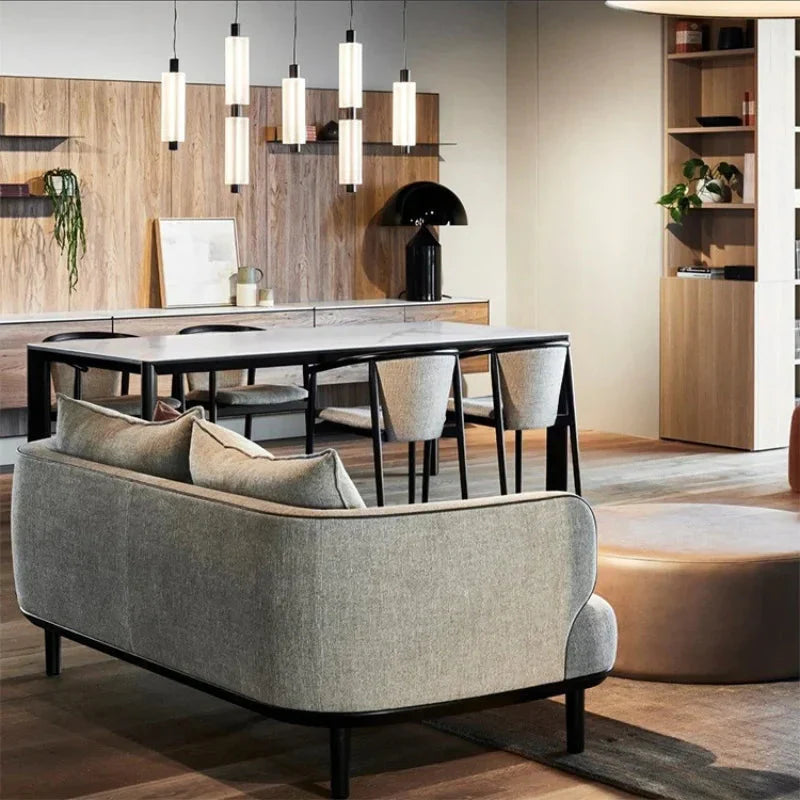
A few years ago, I helped a friend refresh a compact dining nook. The room had charm, but the light felt flat and a bit harsh. We started with a single statement pendant, then softened the overall look with a warm-dim LED bulb and two small wall sconces. The difference was gentle yet striking: the table gained a welcoming glow, faces looked natural, and evenings felt more relaxed. The pendant became a quiet centerpiece rather than a distraction.
What surprised us most was how modest changes delivered a refined result. Careful attention to proportion, color temperature, and glare control produced an inviting scene without remodeling. That experience guides much of this article: small, thoughtful choices can elevate a room, especially when you layer sources and select finishes that echo your furnishings.
Key Advantages of Luxury Lighting
- Timeless materials: Solid brass, crystal, and hand-finished metals age gracefully, gaining patina rather than wear.
- Design cohesion: Coordinated finishes and silhouettes tie spaces together, from the entry to the bedroom.
- Better light quality: High color rendering (CRI 90+) makes art, fabrics, and natural wood look true to life.
- Comfort and control: Dimming, warm-dim modules, and shades that reduce glare help rooms feel calm.
- Craft and durability: Thoughtful joinery, robust canopies, and quality wiring often last longer with less fuss.
- Flexible layering: Statement chandeliers pair beautifully with sconces and portable lamps to shape mood at different times of day.
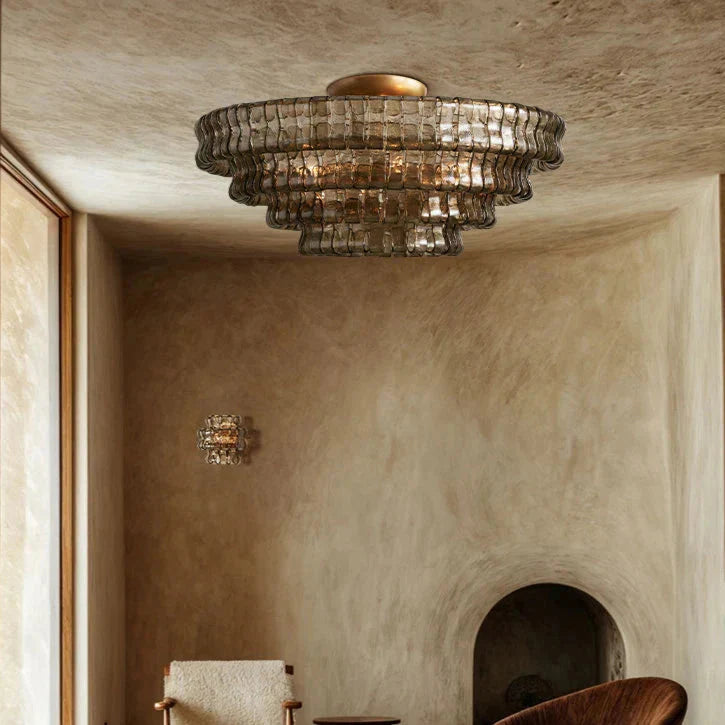
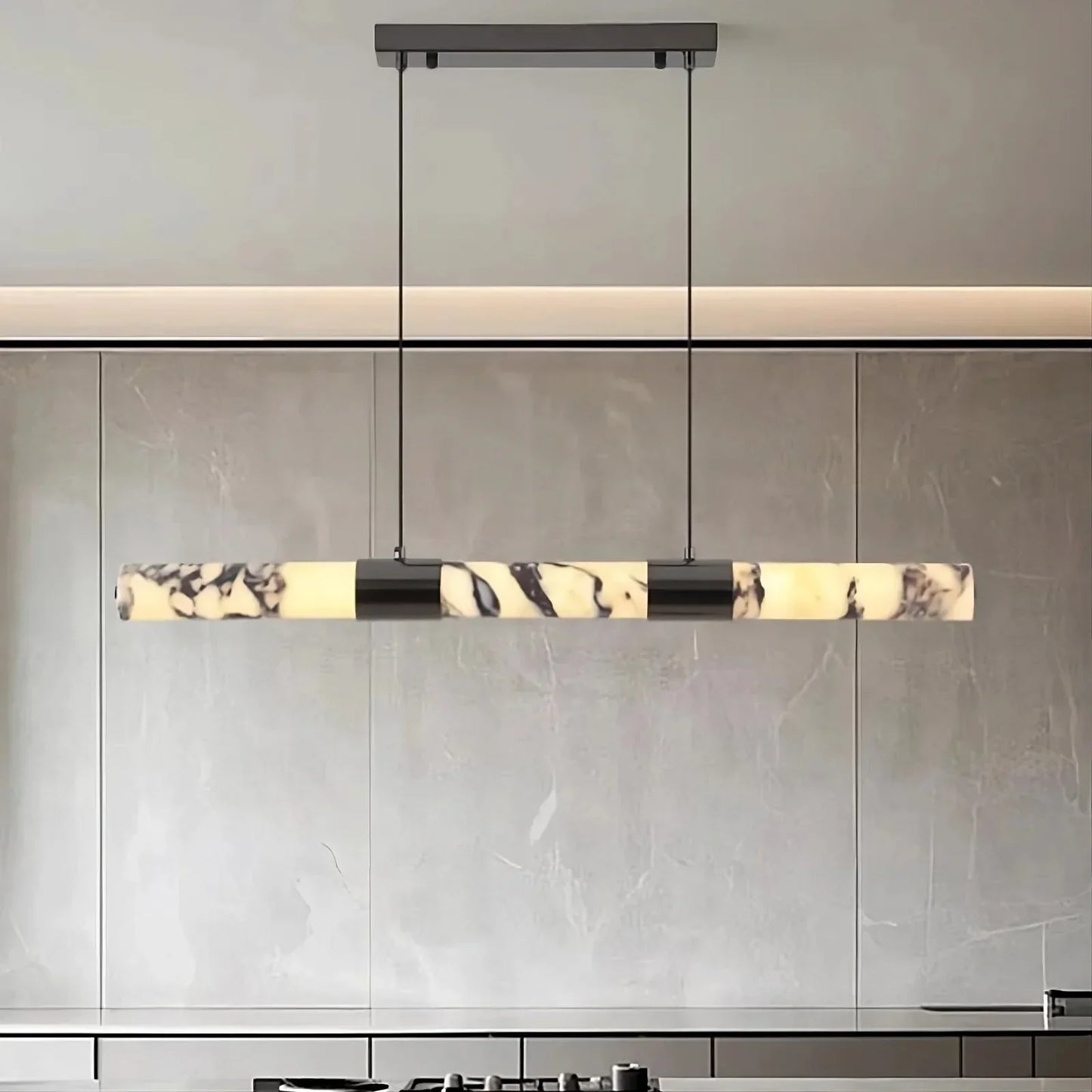
- Elevated presence: A sculptural fixture can serve as subtle art, adding depth without visual clutter. For curated options, you may explore refined lighting.
Quick Tips
- Match scale to room size: Larger rooms usually suit wider diameters; compact areas prefer slender profiles.
- Mind visual weight: Open frames feel lighter than solid shades, helpful in small spaces with lower ceilings.
- Layer the light: Combine an overhead piece with sconces or a table lamp to avoid harsh shadows.
- Choose warm, consistent color: Aim for 2700K–3000K in living spaces and a high CRI for faithful color.
- Dim to relax: Add dimmers where possible to shift from task to cozy mood lighting.
- Coordinate finishes: Repeat a metal or tone twice in a room for harmony, then mix one contrasting accent.
- Control glare: Use diffusers, fabric shades, or frosted bulbs when seating is directly beneath a fixture.
- Test placement: Tape a paper circle on the ceiling to visualize diameter before you commit.
- Plan maintenance: Choose finishes and glass you can dust easily to keep pieces looking new.
- When in doubt, explore examples: Visiting curated collections may spark helpful ideas.
Summary & Next Steps
Upgrading your home’s lighting can be gentle and rewarding. Start with one focal piece, then add supportive layers for comfort and visual balance. Pay attention to scale, color rendering, and dimming so your rooms feel inviting during both day and night. If you are working toward a cohesive look, pick one finish to repeat and another to contrast, and stay mindful of glare around seating areas.
When you are ready to browse, you might find inspiration in thoughtfully chosen assortments. For an easy starting point, consider exploring statement fixtures, looking at room photos to guide scale and placement. If you prefer a small step first, table lamps or sconces offer a simple path. With care and patience, luxury lighting can help your home feel more relaxed, refined, and personal.
For additional ideas and new arrivals, you are welcome to visit Morsale or explore classic designs that age gracefully with your décor.
Q&A Section
What makes a high‑end fixture different?
Premium fixtures often combine durable materials, consistent finishes, and careful engineering. Look for solid brass or stainless components, weighty canopies, smooth dimming, and well-fitted joints. Shades that reduce glare and optical-quality crystal can improve how light spreads and sparkles. These details tend to hold up over time and keep surfaces looking clean rather than streaky or yellowed.
Design also plays a role. Balanced proportions, thoughtful negative space, and restrained ornamentation help a piece feel current for years. If you value easy maintenance, seek designs with accessible bulbs or built‑in LEDs backed by clear support. Browsing curated options on Morsale may help you compare material quality and finish consistency side by side.
How do I size a chandelier for my space?
As a gentle rule of thumb for dining areas, the pendant or chandelier diameter often works well at about one‑half to two‑thirds the table width. Over a 36‑inch wide table, for example, a piece around 18–24 inches can feel balanced. In rooms without a dining table, many people add the room’s length and width in feet to estimate inches of diameter. For a 12 by 14 foot room, a chandelier around 26 inches is a reasonable starting point.
Hang height matters as well. Over a dining table, many find comfort with the bottom of the fixture about 30–36 inches above the tabletop, adjusted for eye level and sightlines. In open areas, allow ample head clearance and consider how the piece looks from nearby seating. Test with a temporary placeholder cutout to visualize size before committing.
Are LED options suitable for premium interiors?
Yes, modern LEDs can offer warm color, high color rendering, and smooth dimming when paired with compatible controls. Look for CRI 90 or higher and a warm range, such as 2700K–3000K, for living spaces. Warm‑dim modules that shift warmer as you dim can mimic candlelight, which many people find calming in the evening.
If a fixture uses replaceable bulbs, choose quality lamps with a consistent color temperature across the home. For integrated LED pieces, review the manufacturer’s lumen output, expected lifespan, and driver compatibility with your dimmer. Many premium fixtures now deliver both clean lines and excellent light quality, so you can enjoy contemporary design and comfortable illumination together.
About the Author
Morsale shares thoughtfully curated lighting and home design insights, drawing on hands‑on experience with materials, finishes, and layering techniques. The team focuses on clear, friendly guidance to help readers select pieces that feel both inviting and enduring. For ideas and inspiration, you are welcome to explore Morsale. Thank you for reading, and we hope these tips serve you well.